

 Tiếng Việt
From your challenge to the right service
Browse the relevant service for corrosion, finish, color, drying, workload, equipment management and other needs.
From coatings and solvents to equipment, process visibility and business connections. We combine the products and support needed for your conditions.
Find your challenge. Share your conditions. Combine solutions.
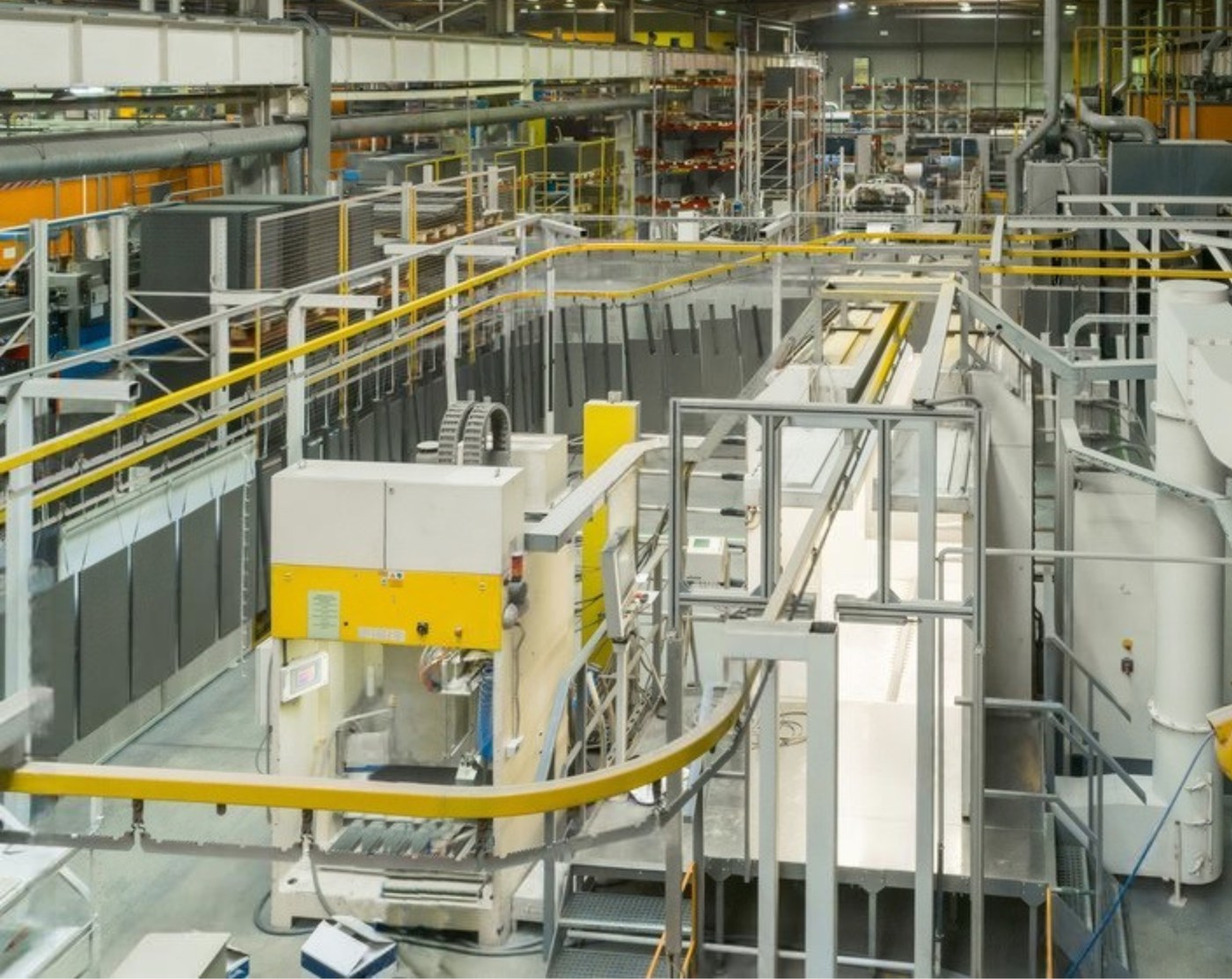

Images illustrate our service areas.
Choose a service to narrow down products, equipment and support.
Search names and descriptions in all 3 languages. Vietnamese searches also work without accents.

Showing 298 / 298 · Product and service entries17 / 17 · Need categories and consultation topics
Print scope: All services · No search term
Select coatings and pretreatment chemicals for the required function, application and process. Combine other core services to develop solutions for the problem at hand.
| Reference ID | Product / Solution / Application | Conditions to confirm for selection and implementation |
|---|---|---|
| ① Heavy-duty corrosion protection systems | Corrosion protection for steel structures and equipment, corrosion countermeasures and galvanizing repairs. Assess the coating system for the substrate and service environment. | |
| ② Ultra-high-temperature coatings | High-temperature environments and thermal control. Select specifications for the temperature range and heating conditions. | |
| ③ Fluoropolymer and high-performance coatings | Weather resistance, lubrication, wear resistance and special functions. Narrow the options by substrate and required function. | |
| ④ Powder coating line optimization | Powder coatings, color changes, supply/recovery and curing. Coordinate with Paint Optimizer Powder and Coat Systemizer. | |
| ⑤ EV insulation and EV component coating systems | Electrical insulation for busbars, motors and other components. Assess geometry, film thickness, thermal conditions and processing steps. | |
| ⑥ Line coating to specified JIS requirements | Paints and coating specifications for designated standards. Confirm the products and applicable scope of conformity. | |
| ⑦ Pretreatment and conversion coating systems | Adhesion, corrosion protection and transition to phosphorus-free processes. Combine chemicals, pretreatment equipment and bath management. | |
| ⑧ Process-improvement solvents and cleaners | Thinning, drying adjustment, degreasing and cleaning. See Thinner Streamer for specific products and consultation topics. |
Category names are starting points for consultation. Heat-resistance temperatures, standards conformity and substrate suitability must be confirmed for the selected product, specification and conditions of use.
Selection candidates for corrosion protection, repairs and coating projects with specified standards for steel structures and equipment. Confirm the system from surface preparation to topcoat for the service environment.
| Reference ID | Product / Solution / Application | Conditions to confirm for selection and implementation |
|---|---|---|
| Lead- and chromium-free anticorrosive paint | A selection candidate for projects specifying JIS K 5674 Type 1. Confirm color, product specifications, scope of conformity and packaging. | |
| Etching primer | A selection candidate for projects specifying JIS K 5633 Type 2. Confirm the substrate, topcoat and scope of conformity. | |
| Zinc-rich primers and high-build zinc-rich paints | Select inorganic/organic and standard/high-build types for the application; confirm surface preparation and topcoat. | |
| Modified epoxy anticorrosive coatings | Confirm the required corrosion protection and recoating conditions for structural or repair applications. | |
| Epoxy coatings / high-build epoxy coatings | Confirm the coating system according to primer/topcoat use, required film thickness and service environment. | |
| Epoxy products for tanks, aluminum-pigmented finishes, ultra-high-build films and water-supply facilities | Select for tanks, high-build corrosion protection or water-supply applications. For water supply, confirm the required standards and scope of conformity. | |
| Polyurethane topcoats for heavy-duty corrosion protection | Confirm outdoor exposure, primer and required film thickness. Where a standard is specified, check the applicable product specifications. | |
| Highly weather-resistant fluoropolymer topcoats | Confirm weather resistance, standard/high-build type, site application conditions and primer compatibility. | |
| Heat-resistant coatings for corrosion under insulation | Confirm continuous service temperature, thermal cycling, insulation and equipment conditions. | |
| Coatings to address stress corrosion cracking of stainless steel | Confirm the stainless steel grade, corrosive environment, equipment temperature and application conditions. | |
| Waterborne heavy-duty corrosion protection systems | Confirm the complete system from substrate to topcoat and application conditions suitable for waterborne coatings. | |
| Glass-flake coatings for steel pipe interiors / corrosion protection systems for concrete facilities | Select according to equipment, contacting chemicals, substrate and application conditions. |
If a standard is specified, please provide the standard, applicable specification/color and required evidence. A coating’s conformity with a standard is different from certification of the entire coating line.
Assess coatings for powder applications, metal building components and general industrial parts by resin, finish and curing conditions. Narrow the options by substrate and required performance.
| Reference ID | Product / Solution / Application | Conditions to confirm for selection and implementation |
|---|---|---|
| Epoxy powder coatings | Consider mainly for indoor and corrosion protection applications. For low-temperature curing grades, confirm baking conditions on actual components. | |
| Epoxy-polyester powder coatings | Consider mainly for indoor use; select for gloss, appearance and baking conditions. | |
| Polyester powder coatings | Confirm outdoor weather resistance, coated-steel-sheet applications and curing method for each specification. | |
| Powder coatings for thin decorative films and textured finishes | Evaluate thin films and textures using sample panels and the intended reclaimed-powder conditions. | |
| Fluoropolymer powder coatings | Confirm appearance, weather resistance and baking conditions, including phase-separating two-layer and metallic specifications. | |
| Baking fluoropolymer coatings / PVDF baking coatings | Resins and curing conditions differ; select according to exterior metal component requirements. | |
| Baking coatings for metal building components | Consider polyurethane and acrylic systems for the substrate, appearance and baking conditions. | |
| Organic-inorganic hybrid ceramic coatings | Confirm the substrate, required hardness, weather resistance and curing conditions. | |
| Industrial waterborne polyurethane / waterborne epoxy coatings | Evaluate drying conditions, film performance and equipment compatibility when moving to waterborne coatings. | |
| Industrial acrylic baking / melamine baking coatings | Select according to resin system, curing temperature, appearance and target components. | |
| Industrial two-component polyurethane coatings | Confirm mixing ratio, pot life, primer requirements and application conditions. | |
| Industrial anticorrosive and adhesion-promoting primers | Confirm adhesion to the substrate, surface preparation and topcoat. |
Baking temperature and heat resistance in service are different. Specifications vary within product groups; confirm the combination of coating, thinner and curing process.
Selection candidates for appearance, scratch resistance, lubrication and other needs of plastic or metal components. Evaluate against actual components and process conditions.
| Reference ID | Product / Solution / Application | Conditions to confirm for selection and implementation |
|---|---|---|
| Organic-inorganic hybrid hard coatings | Confirm substrate, hardener and dedicated thinner against scratch and wear resistance requirements. | |
| Acrylic coatings for plastics | Select after confirming the resin type, such as PP or ABS, and film requirements. | |
| Two-component acrylic polyurethane coatings for plastics | Confirm substrate, production conditions and hardener for each specification, including low-temperature curing grades. | |
| Two-component acrylic silicone coatings | Evaluate against chemical and wear resistance requirements for plastic and metal components. | |
| Melamine, acrylic, polyester and polyurethane coatings for metals | Distinguish resin systems and curing methods; select for the service conditions of the metal components. | |
| Epoxy and polyester primers for metals | Confirm substrates such as magnesium, aluminum and stainless steel, and compatibility with the topcoat. | |
| Dry-film lubricants / waterborne lubricating coatings | Confirm lubrication, substrate and waterborne/solventborne options. Check any substance-exclusion requirements against the specific grade. | |
| Flexible coatings for rubber and soft substrates | Evaluate compatibility with rubber type, additives, deformation and elongation conditions. | |
| Conductive and antistatic coatings | Confirm the required resistance and application conditions. These serve different purposes from electrical insulation coatings. | |
| Self-healing coatings / UV-curable functional coatings | Self-healing and UV curing are separate functions. Confirm compatibility with printing, vacuum deposition, irradiation and other process steps. | |
| Mirror-effect, metallic-look and soft-touch decorative coatings | Evaluate mirror finish, metallic appearance and feel on sample panels to agree on the required appearance. | |
| Waterborne metal coatings / biomass-based coatings / highly weather-resistant coatings | Distinguish goals such as waterborne conversion, raw-material requirements and weather resistance; confirm specifications and availability individually. |
Substrates and functions vary by specification even within the same product group. Please share required performance, samples and the current process.
Consider the required function, from high-temperature service to heat dissipation, lubrication and low reflectance. Distinguish the purposes of heat resistance, heat dissipation, thermal insulation and radiation when selecting.
| Reference ID | Product / Solution / Application | Conditions to confirm for selection and implementation |
|---|---|---|
| Heat-resistant, heat-resistant hard and heat-resistant insulating coatings | Select for heat resistance, hardness and insulation requirements; evaluate temperature and actual component conditions. | |
| Heat-dissipating coatings | Reference temperature ranges are 200°C or below, 400–600°C and 600–1000°C. Confirm the range and application conditions for each specification. | |
| Heat-resistant silver paints | Confirm service temperature, substrate, appearance, primer and application conditions. | |
| Primers / topcoats for heat-resistant coating systems | The reference service temperature range is 200–500°C. Confirm the primer and topcoat combination. | |
| Heat-resistant anticorrosive coatings | Confirm service temperature, corrosive environment, surface preparation and topcoating conditions. | |
| Ceramic functional coatings | Confirm the heat-resistance class, curing method and recoating conditions for each specification. | |
| Non-stick and lubricating fluoropolymer coatings | Confirm waterborne/solventborne system, number of coats and required functions. Verify cookware application conditions individually. | |
| Lubricating coatings for heat resistance, wear resistance and anti-seizure performance | Select specifications according to temperature, wear, seizure risk and target components. | |
| Functional coatings for low friction, non-stick performance and other uses | Confirm low-friction/non-stick requirements, target components, lubricant ingredients and application conditions. | |
| Low-reflectance coatings for sensors and cameras | Confirm the target camera/sensor components, optical conditions and coating requirements. | |
| Thermal insulation paints | Confirm required film thickness and equipment surface temperature; evaluate against the insulation objective. | |
| Far-infrared emissive coatings / high-efficiency radiant coatings | The reference heat-resistance temperature is 600°C. Select for the wavelength range, object being heated and application conditions. |
Applicable temperature depends on continuous/intermittent heating, atmosphere, substrate and film thickness. Listed functions alone do not guarantee suitability for specific service conditions.
Consider powder coatings for busbars and motor components according to geometry, processing method, film thickness and thermal conditions. Listed items are application-specific selection and consultation topics.
| Reference ID | Product / Solution / Application | Conditions to confirm for selection and implementation |
|---|---|---|
| High-edge-coverage insulating powder coatings for busbars and other conductors | Confirm effective film thickness at busbar edges, dielectric withstand voltage and application method. | |
| High-edge-coverage powder coatings for primary conductor insulation | Confirm the primary-insulation application and edge coverage. Assess individually based on current specifications and availability. | |
| Highly heat-resistant powder coatings for inter-conductor impregnation insulation | Confirm the conductors and curing conditions against heat-resistance and impregnation requirements. | |
| Powder coatings for re-insulating coil ends of rectangular-wire motors | Confirm weld geometry, preheating, baking and film thickness; evaluate restored insulation on actual components. | |
| Busbar insulation powder coatings suitable for subsequent bending | Evaluate bend radius, film thickness and processing sequence on actual components. Confirm specifications and availability individually. | |
| High-temperature-resistant busbar insulation powder coatings | Confirm required heat resistance and service conditions. Confirm specifications and availability individually. | |
| Thermally conductive insulating powder coatings for thick films | The reference recommended film thickness is 200–500 μm. Evaluate heat-transfer paths and insulation on actual components. | |
| Thermally conductive insulating powder coatings for thin films | The reference recommended film thickness is 40–200 μm. Evaluate insulation at low film thickness and heat-dissipation conditions. |
Dielectric breakdown strength, heat resistance, glass-transition temperature and baking temperature are separate measures. Confirm current specifications and availability, then evaluate on actual components.
Combine degreasing, surface conditioning, conversion treatment and temporary corrosion protection for the process. Assess a transition to phosphorus-free pretreatment against the substrate and complete process.
| Reference ID | Product / Solution / Application | Conditions to confirm for selection and implementation |
|---|---|---|
| Zirconium conversion treatment chemicals | Consider phosphorus-free conversion treatment. Confirm fluorine content separately. | |
| Coating pretreatment chemicals as alternatives to phosphating | Consider phosphorus- and fluorine-free treatment. Confirm the no-rinse and required-drying conditions after treatment. | |
| Organic temporary corrosion inhibitors | For storage and between-process corrosion protection. Confirm required substance exclusions and downstream compatibility. | |
| Oil and soil removers for steel components | Confirm treatment method, oil type, temperature, throughput and bath management conditions. | |
| Degreasers for aluminum and other light metals | Evaluate effects on the target substrate and compatibility with subsequent processes. | |
| Cleaning agents and auxiliaries for degreasing | Select according to the items being cleaned, oil, method and operating conditions. | |
| Acidic rust removers and surface cleaners | Confirm acid type, effects on the substrate and downstream processes. Some products may contain phosphoric acid. | |
| Surface cleaners for aluminum, copper and other metals | Select according to material, contamination and surface treatment conditions. | |
| Surface conditioners for zinc phosphating | Surface conditioners used before zinc phosphating. Confirm bath and process compatibility. | |
| Conventional conversion treatment chemicals for coating pretreatment | For existing lines or comparative assessment. These treatments use phosphorus. |
“Phosphoric-acid-free,” “phosphorus-free” and “fluorine-free” do not mean the same thing. Confirm chemical composition and process conditions. Evaluate a phosphorus-free transition together with upstream and downstream processes.
Zinc-rich paints and related materials for steel corrosion protection and galvanizing repair. Select for the finish, substrate condition and required film thickness.
| Reference ID | Product / Solution / Application | Conditions to confirm for selection and implementation |
|---|---|---|
| High-zinc-content coatings / organic zinc-rich paints | For steel corrosion protection and galvanizing repair; confirm surface preparation, required film thickness and packaging. | |
| Silver-finish organic zinc-rich paints | Confirm the silver finish, primer compatibility and required film thickness. | |
| Single-component special epoxy zinc-rich paints | If topcoating is required, confirm compatibility with the applicable mild-solvent coatings. | |
| Dedicated thinners for zinc-rich coatings | Select the specified thinner according to the zinc-rich coating’s product specifications and thinning conditions. | |
| Dedicated thinners for special epoxy zinc-rich coatings | Select the dedicated thinner for the specific special epoxy zinc-rich coating. | |
| High-build organic zinc-rich paints | Consider for high-build corrosion protection. Confirm application conditions and availability individually. | |
| Metallic-finish organic zinc-rich paints | Consider metallic appearance and corrosion protection. Confirm specifications and availability individually. | |
| Waterborne organic zinc-rich paints | These specifications require mixing liquid and powder. Confirm application conditions and availability individually. | |
| Zinc-rich anticorrosive paints addressing composition and environmental requirements | Check the required composition and safety data sheet. Confirm specifications and availability individually. | |
| Zinc-rich paints for zinc-alloy galvanizing repair | Coatings containing zinc, aluminum and magnesium. Confirm the target galvanized surface and availability. |
Confirm compatible thinner, surface preparation, film thickness and topcoating conditions for each coating. Packaging, including cans and aerosols, and supply conditions are confirmed individually.
Paint Optimizer and Color Balue coatings are presented by service. C BALUE F and U are also current core products. Please discuss your substrate, finish and coating process.
| Reference ID | Product / Solution / Application | Conditions to confirm for selection and implementation |
|---|---|---|
| C TOPPolyurethane coatings | Confirm the number of components, hardener and application conditions in the TDS. | |
| C TIGHTTwo-component epoxy primers | Confirm surface preparation, mixing ratio and topcoat compatibility. | |
| C KIDAlkyd coatings | Confirm drying conditions and target components. | |
| C NICEAcrylic lacquer | Confirm substrate, solvent and drying conditions. | |
| C BALUE ABaking acrylic coatings | Confirm actual workpiece temperature and holding time. | |
| C BALUE MAmino-alkyd coatings | Confirm baking conditions and thinner. | |
| C BALUE FSingle-component baking fluoropolymer coatings | A current core product. Confirm substrate, baking conditions and required weather resistance. | |
| C BALUE USingle-component baking polyurethane coatings | A current core product. Confirm substrate, baking conditions and required film performance. |
Confirm mixing ratio, curing conditions, thinner and recoating in the selected product’s specification. The listed own-brand names do not identify the manufacturer.
Categories for selecting powder coatings by resin, curing method and appearance. Assess suitable specifications for the substrate, service environment and baking conditions.
| Reference ID | Product / Solution / Application | Conditions to confirm for selection and implementation |
|---|---|---|
| Epoxy powder coatings | Confirm application and weather-resistance requirements in the individual technical data sheet. | |
| Hybrid powder coatings | Confirm resin combination and applications in the individual TDS. | |
| Polyester powder coatings | For outdoor use, confirm weather-resistance grade and track record individually. | |
| Acrylic powder coatings | Confirm substrate, film performance and baking conditions. | |
| Polyurethane powder coatings | Confirm curing conditions and application individually. | |
| Powder coating categories for heat-resistant applications | Confirm required heat resistance, service temperature, resin system and baking conditions for the specific grade. | |
| Powder coatings with / without TGIC | Confirm specifications against ingredient requirements, including use or exclusion of TGIC. | |
| Special decorative powder coatings / individual finish consultation | Please discuss the desired appearance or effect. Confirm the finish definition and applicable specifications individually. | |
| Smooth, fine-textured and coarse-textured finishes | Confirm target texture, baking conditions and flow for each specification. | |
| Silver and mica metallic finishes | Confirm pigment mixing method and bonding specification; select for the target appearance. |
These are selection and consultation categories. Individual performance, baking conditions and current supply scope are confirmed during consultation.
Consider powder coatings for cleanability, weather resistance, appearance, insulation and other objectives. Confirm required function and appearance on sample panels or actual components.
| Reference ID | Product / Solution / Application | Conditions to confirm for selection and implementation |
|---|---|---|
| Powder coatings for hygiene and healthcare applications | Confirm test conditions and supporting evidence for individual properties such as antibacterial performance. | |
| Powder coatings designed for cleanability | Confirm the type of soil and cleaning conditions. | |
| Powder coatings for heat-transfer decoration | Confirm transfer film, temperature and reproducibility of the decorative effect. | |
| Clear-finish powder coatings | Confirm the combination with the underlying color and decorative finish. | |
| Powder coatings for high weather resistance | Confirm test standards, grades and specific product references individually. | |
| Individual consultation on special functions and powder coating flow | Please share the required functions and flow. Assess individually based on specifications and availability. | |
| Special-effect powder coatings | Confirm color, gloss and texture on sample panels. | |
| Powder primers | Confirm substrate, pretreatment and topcoat compatibility. | |
| Bonded powder coatings | Confirm metallic appearance, reclaimed-powder operation and color variation. | |
| Powder coatings for heat-resistant applications | Confirm continuous/short-duration temperature conditions and color change. | |
| Powders for electrical insulation / fusion-bonded epoxy applications | Check required performance and product references for each application; do not treat different uses as interchangeable. | |
| Powder coatings for post-coating forming | Evaluate forming conditions, film cracking and adhesion. |
Function names do not constitute performance guarantees for individual products. Proposals follow confirmation of test conditions, required levels, applicable specifications and availability.
Agree on target color and finish to align baking coatings and application conditions. See the own-brand coatings section (source PDF page 18).
| Reference ID | Product / Solution / Application | Conditions to confirm for selection and implementation |
|---|---|---|
| Clarifying color and finish requirementsConfirm target color, gloss, appearance and service environment | Agree on reference samples and acceptable tolerances with the customer. | |
| C BALUE series selection supportSelection of baking coatings within Color Balue | See the Color Balue paints on source PDF page 18 (3-001–3-004). | |
| Evaluation on sample panels and actual componentsCompare color, appearance, film thickness and curing conditions | Assess using consistent test conditions and approved reference samples. | |
| Aligning application conditionsCheck the combination of thinning, application and baking | Coordinate with Thinner Streamer and Coat Systemizer. | |
| Checking reproducibilityRecords to identify differences between samples and mass production | Confirm coating batch, film thickness, workpiece temperature, time and related conditions. |
Please discuss target color, permitted color difference, samples, test methods and desired timing. Proceed after confirming the evaluation and support scope.
Related thinners for assessing compatibility between coatings and working conditions. Listed items are for development/selection consultation and do not indicate finalized specifications or stocked standard products.
| Reference ID | Product / Solution / Application | Conditions to confirm for selection and implementation |
|---|---|---|
| C BALUE ME ThinnerThinner for melamine baking coatings | Confirm the coating’s exact product reference and recommended thinning conditions. | |
| C BALUE AE ThinnerThinner for acrylic baking coatings | Confirm compatibility with the baking coating. Do not equate it with a general-purpose thinner. | |
| C BALUE Primer ThinnerThinner for epoxy primers | Confirm the coating’s specified requirements, including compatibility with C TIGHT. | |
| C STREAM-F ThinnerThinner to adjust drying toward a faster rate | Confirm actual evaporation characteristics and permissible addition range. | |
| C STREAM-L ThinnerThinner to adjust drying toward a slower rate | Evaluate temperature/humidity, solvency and film appearance on the actual equipment. | |
| C KID Q ThinnerFast-drying thinner for alkyd coatings | Confirm the target coating and differences from the standard grade. |
Confirm the coating, thinning ratio, drying conditions and usage volume to assess specifications and supply individually. Unspecified mixing or substitution for a designated thinner requires compatibility evaluation.
Assess thinning, drying adjustment and equipment/component cleaning according to each purpose. Confirm compatibility with the coating or cleaning target and propose suitable solvents.
| Reference ID | Product / Solution / Application | Conditions to confirm for selection and implementation |
|---|---|---|
| Thinning solvents for lacquer coatings | Select specifications for lacquer compatibility, drying characteristics and working conditions. | |
| Blended solvents for paint cleaning | For removing paint and deposits. Confirm cleaning use separately from thinning use. | |
| Application-specific solvents for wood finishing, cleaning and anti-blushing | Select after confirming the purpose, such as wood finishing, cleaning or blush prevention, and the target coating. | |
| Thinning and process-adjustment solvents for baking coatings | Select for the target coating, baking conditions, drying rate and appearance. | |
| Thinning solvents for one- and two-component coatings | Evaluate effects on the hardener, water content and solvency; confirm the coating’s specified requirements. | |
| Coating solvents for PE, PP, ABS, PC and other plastics | Evaluate solvent attack, whitening and cracking for the substrate and coating, including PE, PP, ABS and PC. | |
| Standard, high-solvency, fast-drying and other thinning solvents | Select individually for coating type, solvency, drying rate and working conditions. | |
| Degreasing cleaners for metal components | Confirm oil type, cleaning equipment, fast/slow drying requirements and drying conditions. | |
| Cleaners for plastic degreasing, flux, lenses and other applications | Select separately for plastics and precision components according to substrate damage, residue and required cleanliness. | |
| Hydrocarbon industrial solvents | Confirm toluene, xylene, aromatic blends and other options against the application and safety data sheet. | |
| Alcohol, ester and ketone industrial solvents | Confirm the raw solvent for each application and evaluate coating/substrate compatibility. | |
| Custom-designed thinners and cleaners | Please discuss application, desired quantity, development conditions and availability for custom thinners and cleaners. |
Confirm product specifications, safety data sheets, packaging and supply conditions individually. Select coating thinners and cleaners separately for their intended uses.
Consult on equipment from pretreatment through coating, conveying and drying. Assess the required configuration from workpiece, site dimensions and production capacity.
| Reference ID | Product / Solution / Application | Conditions to confirm for selection and implementation |
|---|---|---|
| Immersion, continuous and enclosed-chamber cleaning equipmentPretreatment equipment for degreasing and cleaning | Confirm substrate, oil type, chemicals, number of process stages and throughput. | |
| Water-wash / dry-filter liquid coating boothsOverspray collection equipment for liquid coating | Confirm supply/exhaust air, water treatment or filters, and maintainability. | |
| Manual / automatic coating linesEquipment combining manual and automatic coating processes | Assess working posture, cycle time, color changes and rework steps. | |
| Powder coating lines / powder boothsPowder supply, application, recovery and curing equipment | Confirm compatibility between the powder and supply, application, recovery and curing equipment. | |
| ED (electrodeposition) coating equipmentEquipment using electrodeposition paints | Design pretreatment, tanks, power supply, filtration/rinsing and drying individually. | |
| Overhead, trolley and power-and-free conveyingSuspended and trolley-based conveying systems | Confirm workpiece weight, accumulation/stopping conditions and transfers between processes. | |
| Floor, roller and I-beam conveyorsFloor-mounted and overhead inter-process conveying equipment | Confirm load, conveying orientation, routes and cleanability. | |
| Spindle / turntable equipmentCoating equipment using workpiece rotation and indexing | Assess according to the geometry, fixtures and coating orientation of small or plastic parts. | |
| Continuous / batch ovensEquipment for coating drying and bake curing | Confirm workpiece temperature, holding time, heat source and temperature distribution. |
These are equipment consultation and design categories. Confirm equipment, delivery/installation, ancillary work, controls, maintenance scope and availability for each project.
Assess coating, conveying, drying and UV curing against appearance requirements and thermal limits of plastic parts. For standalone UV units, confirm the required conditions and scope of support.
| Reference ID | Product / Solution / Application | Conditions to confirm for selection and implementation |
|---|---|---|
| Coating lines for plastic componentsEquipment combining coating, drying and conveying | Confirm resin type, geometry, heat limits, required appearance and production volume. | |
| Dust removal and static-control processesProcesses addressing foreign particles and static charge | Select method, location and cleanliness level according to site conditions. | |
| Coating booths and supply-air environmentWorking environment for coating plastic components | Apply the booth categories on source PDF page 25. Confirm airflow, cleanliness, temperature and humidity. | |
| Rotating conveyors and coating fixturesMechanisms controlling workpiece holding, rotation and coating orientation | Use spindles and other mechanisms; check shadowed areas and fixture marks. | |
| UV coating linesEquipment covering application through UV curing | Design the required drying, conveying and irradiation processes for the coating specification. | |
| Standalone UV curing unitsIrradiation equipment for curing films with ultraviolet light | For standalone equipment consultation. Confirm specifications from light source, coating, irradiation area and mounting conditions. | |
| Pre-irradiation drying and flash-offDrying/holding stages required by the coating specification | Determine the need for pre-irradiation drying from the coating specification and process evaluation. | |
| Irradiation condition management and evaluationSetting and checking UV curing conditions | Check wavelength, irradiance, radiant exposure, irradiation distance and conveyor speed. | |
| Light shielding, extraction and equipment interlocksProtective and safety mechanisms for UV processes | Confirm necessary measures and responsibilities according to the light source, coating and installation location. |
UV curing and thermal drying are different processes. Evaluate coating cure requirements, thermal effects on the substrate, adhesion and appearance on actual components.
Assess supply/exhaust air, environmental equipment, controls, installation and maintenance across the coating line. Connections to and modifications of existing equipment can also be discussed.
| Reference ID | Product / Solution / Application | Conditions to confirm for selection and implementation |
|---|---|---|
| Clean-air supply and coating-room air conditioning | Confirm temperature/humidity, cleanliness and supply/exhaust pressure balance. | |
| Cyclone recovery units / dust collectorsEquipment for powder recovery and dust collection | Confirm the material collected, airflow, filters and reclaimed-powder handling. | |
| Exhaust gas treatment equipment | Confirm treatment method according to exhaust composition, concentration and airflow. | |
| Process wastewater treatment equipment | Confirm chemicals, wastewater characteristics, throughput and operation management. | |
| Control panels / PLC and equipment coordinationSystems controlling coating, conveying, drying and other processes | Confirm operating conditions, interlocks and site connections. | |
| Custom fabrication of equipment components and fixtures | Confirm drawings, materials, accuracy and inspection scope. | |
| Installation, maintenance and modification supportInstallation, inspection, adjustment and replacement of consumables | Confirm the contractor, downtime, spare-parts supply and maintenance arrangements. | |
| Heat treatment and annealing equipmentHeating equipment beyond coating drying | For heat treatment other than film curing. Assess requirements and feasibility individually. | |
| Cooling-water and purified-water supply equipment / design consultation | Assess whether cooling or purified water is needed. Confirm specifications and feasibility individually. |
Listed items are consultation topics. Confirm responsibilities for construction, local connections, safety measures, warranty and maintenance. Assess cooling/purified-water equipment individually for need and feasibility.
Wet booths use water to capture overspray. Standard options are listed by opening width. This method lifts water using exhaust airflow and does not use a water pump.
| Reference ID | Product / Solution / Application | Conditions to confirm for selection and implementation |
|---|---|---|
| Wet Venturi coating boothOpening width: 1,500 mm | Confirm not only component width but also working routes, supply/exhaust air, ductwork and maintenance space. | |
| Wet Venturi coating boothOpening width: 2,000 mm | Confirm not only component width but also working routes, supply/exhaust air, ductwork and maintenance space. | |
| Wet Venturi coating boothOpening width: 2,500 mm | Confirm not only component width but also working routes, supply/exhaust air, ductwork and maintenance space. | |
| Wet Venturi coating boothOpening width: 3,000 mm | Confirm not only component width but also working routes, supply/exhaust air, ductwork and maintenance space. | |
| Wet Venturi coating boothOpening width: 3,500 mm | Confirm not only component width but also working routes, supply/exhaust air, ductwork and maintenance space. | |
| Wet Venturi coating boothOpening width: 4,000 mm | Confirm not only component width but also working routes, supply/exhaust air, ductwork and maintenance space. | |
| Wet Venturi coating boothOpening width: 5,000 mm | Confirm not only component width but also working routes, supply/exhaust air, ductwork and maintenance space. |
Reference standard depth and ceiling height are each 2,000 mm. Confirm dimensions, overall height and power requirements on the selected specification’s formal drawings. Confirm compatibility with local voltage, phases and frequency, and availability individually.
Consider lighting, high ceilings, pits, supply/exhaust air and water curtains for the workpiece and environment. Confirm configuration against required opening width and site conditions.
| Reference ID | Product / Solution / Application | Conditions to confirm for selection and implementation |
|---|---|---|
| Venturi booths with LED lighting | Check lighting, work area and color assessment conditions. | |
| Venturi booths with increased-safety explosion protection | Confirm applicable locations, protection scope and local requirements individually. | |
| High-ceiling Venturi booths | Ceiling height: 2,500 mm. Confirm workpiece and hanger heights. | |
| Pit-type Venturi booths | Confirm pit construction, cleaning/maintenance access and installation dimensions. | |
| Integrated supply/exhaust air-balanced booths | Confirm supply/exhaust balance and building conditions. | |
| Venturi booths with water curtains | Reference opening widths: 1,500 / 2,000 / 2,500 / 3,000 mm. Confirm the configuration, including submersible pump, and power supply. | |
| Booths with water curtains and LED lighting | A configuration combining a water curtain and lighting. | |
| Water-curtain booths with increased-safety explosion protection | Confirm the scope and specifications of explosion protection individually. | |
| High-ceiling water-curtain booths | Ceiling height: 2,500 mm. Also confirm water-curtain management conditions. |
Confirm the scope of explosion protection for electrical equipment, solvents and installation environment. Include circulating water, sludge, cleaning, drainage and ancillary work in the assessment.
Select oil-free/oil-lubricated type and installation format from air demand, pressure and site conditions. Also confirm simultaneous operation of multiple devices.
| Reference ID | Product / Solution / Application | Conditions to confirm for selection and implementation |
|---|---|---|
| Oil-free scroll compressorsSound-insulated packaged type | Representative outputs: 1.5 / 2.2 / 3.7 kW. Check pressure and whether a dryer is included. | |
| Oil-free scroll compressorsPackaged type with multiple compressor units | Confirm configuration according to compressor units, air demand, control method and installation conditions. | |
| Oil-free scroll compressors emphasizing quiet operation | 1.5 / 2.2 kW. Confirm required airflow and installation environment. | |
| Oil-free scroll compressorsTank-mounted type | 1.5 / 2.2 / 3.7 kW. Confirm relocation, installation and tank conditions. | |
| Oil-free reciprocating compressorsTank-mounted type | Representative outputs: 1.5 / 3.7 / 7.5 kW. Confirm pressure and duty cycle. | |
| Small oil-free reciprocating compressors | 0.2 / 0.4 kW. Selection candidates for low-air-demand applications. | |
| Oil-free reciprocating compressorsPackaged type | Representative outputs: 1.5 / 3.7 / 7.5 kW. Confirm pressure, drying function and installation conditions. | |
| Oil-lubricated reciprocating compressorsTank-mounted type | Representative outputs: 1.5 / 3.7 / 7.5 kW. Confirm lubrication management and air treatment. | |
| Oil-lubricated reciprocating compressorsPackaged type | Representative outputs: 1.5 / 3.7 / 7.5 kW. Confirm pressure, operating conditions and installation heat dissipation. |
Listed outputs are representative selection values. Finalize specifications after confirming local power, air quality at the point of use, drying/filtration and maintenance conditions.
Assess screw/claw compressors, boosters, drying and storage for factory air demand. Select fixed-speed/inverter control according to actual operating conditions.
| Reference ID | Product / Solution / Application | Conditions to confirm for selection and implementation |
|---|---|---|
| Oil-lubricated screw compressorsInverter-driven, tank-mounted type | 7.5 / 11 / 15 kW. Confirm the integrated tank configuration and installation dimensions. | |
| Oil-lubricated screw compressorsFixed-speed packaged type | Representative outputs: 15 / 22 / 37 kW. Confirm pressure, drying function and installation conditions. | |
| Oil-lubricated screw compressorsInverter-driven packaged type | 15 / 22 / 37 kW. Confirm air-demand fluctuations and control range. | |
| Oil-free claw compressorsPackaged type | Representative outputs: 15 / 30 / 45 kW. Confirm cooling and installation environment. | |
| Oil-free claw compressorsInverter-driven type | 22 / 37 kW. Confirm demand fluctuations, operating pressure and power supply. | |
| Compressed-air boosters | Confirm lubricated/oil-free type, inlet conditions and required outlet pressure. | |
| Refrigerated air dryers | For compressed-air drying. Confirm inlet temperature, flow, pressure and required dew point. | |
| Compressed-air receivers / air tanks | Confirm capacity, working pressure, material, condensate drainage and installation conditions. | |
| Engine-driven portable reciprocating compressors | Confirm specifications and availability according to lubricated/oil-free type, power source and work location. |
Check piping pressure loss, simultaneous operation, expansion plans and maintenance, as well as flow and pressure. Energy savings and capacity depend on operating conditions.
Equipment for manual/automatic powder coating, color changes, metered feeding and conveying-status checks. Assess coating systems, guns, controls and feeding equipment together.
| Reference ID | Product / Solution / Application | Conditions to confirm for selection and implementation |
|---|---|---|
| Hopper-fed manual electrostatic powder coating systems | Confirm gun quantity, hopper configuration, workpieces and required coating capacity. | |
| Box-fed manual electrostatic powder coating systems | Consider gun quantity and feed configuration for color changes and high-mix, low-volume production. | |
| Agitated-hopper manual electrostatic powder coating systems | The feeding method differs from a fluidized-bed system. | |
| Laboratory cup-stand powder coating systems | For trials and preparation of coating samples. | |
| Manual electrostatic powder spray guns | For consultation on a standalone gun. Confirm compatibility with feeding and control equipment. | |
| Automatic corona-charging powder spray guns | Select specifications for cleanability, mounting method and workpieces. | |
| Compact automatic corona-charging powder spray guns | For consultation on compact automatic guns. Confirm formal specifications, connection compatibility and availability individually. | |
| Digital controllers for powder coating | Confirm compatible gun and feeding-system configurations. | |
| Automatic powder gun units / metered-feed specifications | Distinguish standard and metered-feed configurations; confirm required powder feed rate and controls. | |
| Metered powder feeding and control equipment | Select for the conditions from methods such as capacitance-based control and screw feeding. | |
| Powder coating booths for color changes | Assess configuration for color-change frequency, footprint and the need for movement or split construction. | |
| Microwave sensors for detecting powder-conveying blockages | Hose-mounted type. Confirm applicability for the powder and conveying conditions. |
Compatible configurations differ. Confirm gun, control, supply/recovery and powder compatibility, as well as availability, individually.
Selection candidates for manual/automatic air spray, airless, electrostatic and rotary atomization. Assess according to coating, geometry and process automation requirements.
| Reference ID | Product / Solution / Application | Conditions to confirm for selection and implementation |
|---|---|---|
| Manual air spray guns | Pressure, suction and gravity feed. Nozzles and other features vary by specification. | |
| Manual high-pressure airless spray guns | Manual high-pressure airless type. Confirm coating, pressure, nozzle and hose configuration. | |
| Automatic spray gun series | A series designation. Confirm spraying method and mounting for the specific model. | |
| Automatic airless spray guns | Confirm circulating/non-circulating coating supply and mounting on the automatic equipment. | |
| Automatic air spray guns with detachable heads | For automatic equipment or robot mounting. Confirm mounting specifications. | |
| Low-pressure automatic air spray guns | Confirm waterborne/solventborne coating compatibility and mounting conditions. | |
| Manual electrostatic air spray guns for solventborne coatings | A type with an integrated air-driven generator. Confirm coating and gun compatibility. | |
| Direct-charging manual electrostatic guns for waterborne coatings | Direct charging for waterborne coatings. Confirm paint supply and insulation configuration. | |
| Indirect-charging manual electrostatic guns for waterborne coatings | Indirect charging for waterborne coatings. Confirm supply system and application conditions. | |
| Automatic electrostatic air spray guns | For automatic equipment. Confirm compatibility with the coating, mounting, controls and supply system. | |
| Electrostatic rotary bell atomizers | A rotary atomization coating method. Confirm workpiece, mounting, supply and control configuration. | |
| Electrostatic rotary bell atomizers | Selection candidates for rotary atomization. Confirm each model’s configuration and application conditions. |
Confirm waterborne/solventborne compatibility, charging method, pressure and mounting for each model. Complete systems and standalone guns require different configurations.
Equipment supporting supply, circulation, agitation, pressure regulation, color changes, metering and mixing. Assess configuration from coating properties and process conditions.
| Reference ID | Product / Solution / Application | Conditions to confirm for selection and implementation |
|---|---|---|
| Air-operated double-diaphragm paint supply pumps | For feeding spray guns. Confirm whether a standalone pump or complete supply set is required. | |
| Air-operated diaphragm paint supply pumps | Confirm pressure ratio and wetted materials for the individual specification. | |
| Air-operated horizontal piston paint supply / circulation pumps | Horizontal piston type. Confirm flow, pressure, circulation conditions and wetted materials. | |
| Diaphragm material supply pumps | For coatings, adhesives and similar materials. Confirm viscosity and material compatibility. | |
| Paint pressure tanks (pressurized coating supply vessels) | Select capacity, agitation method and pressure specification individually. | |
| Paint agitators for pails, drums and other containers | Includes models with rotary piston air motors. | |
| Air pressure regulators for coating | Select specifications according to air pressure, flow, connections and equipment. | |
| Paint pressure regulators | For paint pressure control. Confirm wetted specifications, set pressure and equipment. | |
| Low-shear back-pressure regulators for paint circulation | Select for circulation-line back pressure, coating properties and wetted materials. | |
| Paint color-change valves and switching systems | Configure according to number of colors, piping and flushing circuits. | |
| Electronically controlled paint metering, mixing and flow-control systems | Gear-pump driven. 1K, 2K and 3K depend on the configuration. | |
| Replacement and maintenance parts for spray guns and supply equipment | Check the existing equipment’s nameplate, serial number and parts drawings to verify compatibility and availability. |
Select after confirming wetted materials, viscosity, flow, pressure, cleanability and compatible guns and controls.
Equipment for general coating, automotive refinishing, automatic application and liquid/powder electrostatics. Select for the working method and finish.
| Reference ID | Product / Solution / Application | Conditions to confirm for selection and implementation |
|---|---|---|
| Small / large manual spray guns | For general coating. Select size and any low-pressure specification required. | |
| Small / large center-cup spray guns | Gravity feed. Confirm cup and nozzle specifications. | |
| Large pressure-fed manual spray guns | Confirm straight or V-slit nozzle specifications and required output. | |
| General-purpose / low-pressure manual spray guns | Select for method, workpiece, nozzle and required airflow. | |
| Manual spray guns for automotive refinishing | Confirm suitable nozzle/cup configuration for the refinishing coating and desired finish. | |
| Paint atomizing guns for automatic equipment | Simple, general-purpose and high-performance types. Select the model for the application. | |
| Air-generator-powered manual electrostatic liquid spray guns | A type that does not require an external electrostatic controller. | |
| Manual electrostatic liquid spray guns | Distinguish general solventborne from waterborne/low-resistance coatings; confirm charging and supply conditions. | |
| Automatic electrostatic liquid spray guns | Select models according to mounting on robots or reciprocators. | |
| Manual electrostatic powder spray guns | For manual coating. A separate category from liquid coating guns. | |
| Automatic electrostatic powder spray guns | For automatic coating equipment and lines. | |
| Electrostatic powder coating units | Units including controls and feeding systems, rather than standalone guns. |
Distinguish manual/automatic and liquid/powder methods. Confirm nozzles, cups, supply equipment, power and controls.
Pumps, containers, agitators, coating units and replacement parts. For upgrades or maintenance, check compatibility using details of the installed equipment.
| Reference ID | Product / Solution / Application | Conditions to confirm for selection and implementation |
|---|---|---|
| Standalone diaphragm paint supply pumps | A standalone pump category. Confirm wetted materials, flow, pressure and connections. | |
| Diaphragm paint pump supply units | Units combining a pump and feeding equipment. Confirm the included components. | |
| Bellows-seal pumps | Confirm air/electric drive, pressure, flow and wetted conditions. | |
| Plunger pumps / supply units | Distinguish standalone pumps from supply units; confirm the required configuration. | |
| Replacement and maintenance parts for diaphragm pumps | Provide the complete pump model, serial number and parts drawings to confirm compatibility and availability. | |
| Gravity- and suction-feed paint containers | Check compatible guns, mounting threads and materials. | |
| Pressurized paint supply vessels | Confirm waterborne compatibility, agitation method and capacity. | |
| Agitators for paint mixing and sedimentation prevention | Includes radial piston types. Select for the container and coating conditions. | |
| High-pressure airless coating systems | Manage the pump, gun, hose and nozzle as a combined configuration. | |
| Air-assisted airless coating systems | A method combining air spray and airless application. Confirm equipment configuration and coating compatibility. |
For spare parts, provide nameplate photos, serial numbers and parts drawings. We confirm compatibility, availability and scope of work.
Consultation on painting robots, integrated coating lines, local exhaust, drying, vacuum and nitrogen supply. Assess configuration for the process and required capacity.
| Reference ID | Product / Solution / Application | Conditions to confirm for selection and implementation |
|---|---|---|
| Painting robot systems | Systems combining equipment needed for coating. Confirm workpiece and operating range. | |
| Modular coating lines | Consider modular process stages with transfer robots moving workpieces between them. | |
| Local source-capture and exhaust equipment | Assess placement and airflow according to emission source and working position. | |
| Post-application drying and curing equipment | Confirm coating cure requirements, workpiece material, throughput and heat source. | |
| Vacuum generation equipment, including vacuum pumps | Select for required vacuum, pumping speed and the medium being extracted. | |
| Nitrogen generation and supply equipment | Confirm required purity, flow and supply pressure. |
These are selection/design consultation topics. Confirm specifications, connections, ancillary work and availability/feasibility individually.
Filters for dust removal in the coating environment and overspray capture. Distinguish supply and exhaust purposes; select from installation dimensions, paint and dust conditions.
| Reference ID | Product / Solution / Application | Conditions to confirm for selection and implementation |
|---|---|---|
| Cube-shaped dry overspray filters | For paint-mist capture in exhaust air. Confirm installation dimensions, airflow and replacement conditions. | |
| Exhaust filters made from specially flame-retardant-treated paper | For paint-mist capture. | |
| Plant-fiber exhaust filters | Select thickness according to the coating used. | |
| Paper / nonwoven composite exhaust filters | Confirm installation dimensions and replacement conditions. | |
| Glass-wool pad exhaust filters | For paint-mist capture. | |
| Nonwoven roll auxiliary exhaust filters | For pre-collection in front of the main filter. | |
| Glass-wool roll exhaust filters | Roll type. Confirm required dimensions, mounting and replacement conditions. | |
| Supply-air prefilters | Mainly for capturing coarse dust. | |
| Supply-air dust filters | Confirm filtration performance and mounting conditions for supply-air cleaning, ceiling supply and related uses. | |
| Three-pocket supply-air filters | Pocket type; confirm mounting frame and depth. | |
| Nonwoven pad filters for supply and exhaust air | For exhaust, used downstream of the primary filter; for supply, used at the air intake. | |
| Two-pocket filters for supply and exhaust air | Select for the application. Do not use interchangeably for supply/exhaust without checking suitability. |
Confirm airflow, pressure drop, collection target, mounting and replacement frequency. Do not interchange supply and exhaust filters without suitability checks.
Consultation on wet-booth water management, paint-sludge treatment and related equipment. Assess according to coating, water quality, recovery method and operation management.
| Reference ID | Product / Solution / Application | Conditions to confirm for selection and implementation |
|---|---|---|
| Powdered alkaline paint coagulants | For booth circulating water; flotation recovery. | |
| Moderately alkaline paint coagulants | For booth circulating water; flotation recovery. | |
| Acidic paint coagulants | Consider for separation recovery. Confirm applicability to general, UV and other coatings for each specification. | |
| Neutral paint coagulants | For general and UV coatings; flotation or separation recovery. | |
| Defoamers for water-wash booth circulating water | Chemicals to suppress foam in booth water. Confirm water quality and dosing conditions. | |
| Deodorizing and disinfecting agents for water-wash booth circulating water | Slightly acidic. Confirm chemical compatibility and dosing conditions. | |
| Microbial paint-sludge treatment systems and dedicated materials | Individual consultation. Confirm coating, operation management, treatment conditions and availability. | |
| IoT management systems for coating equipment | Individual consultation. Confirm connections, acquired data, required equipment and scope of supply. | |
| Pretreatment, electrodeposition and heated drying equipment | For individual design consultation. Confirm processes, specifications, configuration and feasibility. | |
| Conveying, coating air-conditioning and wastewater treatment equipment | For individual design consultation. Confirm conveying, air-conditioning and wastewater conditions separately. |
Chemicals are for circulating water, not direct addition to paint. Confirm specifications and feasibility of treatment/management systems and related equipment individually.
Selection candidates for cars through large vehicles, according to dimensions and working environment. Assess building fit, supply/exhaust air, lighting and maintenance access.
| Reference ID | Product / Solution / Application | Conditions to confirm for selection and implementation |
|---|---|---|
| Push-pull automotive coating boothsCost-focused configuration | A cost-focused configuration. Confirm equipment layout and whether drying is included for each specification. | |
| Standard-size automotive coating booths | Standard-size configuration. Confirm building, supply/exhaust air, pit and whether drying is included. | |
| Wide automotive coating booths | A configuration providing extra working width. Confirm building/vehicle dimensions and whether drying is included. | |
| Coating booths emphasizing brightness and working space | Check windows, lighting, exhaust and working space on the drawings. Drying capability depends on the specification. | |
| Coating and drying booths for trucks, buses and other large vehicles | Assess coating/drying, supply/exhaust air and building conditions according to vehicle dimensions. |
Coating-only booths and coating/drying booths have different functions and configurations. Confirm drying capability, heat source, power and site dimensions for each specification.
Consultation on measuring and recording existing equipment status and process conditions for improvement. Assess the required configuration from measurement points and improvement objectives.
| Reference ID | Product / Solution / Application | Conditions to confirm for selection and implementation |
|---|---|---|
| Equipment data collection and visualization systems | Includes retrofitting to existing equipment. Confirm connection conditions. | |
| Analog and digital signal acquisition devices | Confirm signal types, number of inputs, wiring and power supply. | |
| State-reading devices using image processing | Image-based acquisition. Confirm any separate configuration/options required and the scope of supply. | |
| Sensors for temperature, humidity, pressure, flow, vibration, water level, pH and other variables | Confirm measurement range, environmental resistance, calibration and replacement method. | |
| Camera-based reading of gauges and indicator lights | Evaluate lighting, reflections, field of view and reading accuracy in the actual environment. | |
| History, graph display and CSV export | Confirm retention period, data permissions and export formats. | |
| Threshold settings and email alerts | Set notification conditions and recipients. Monitoring alerts do not replace equipment safety controls. | |
| Technologies for pretreatment-bath monitoring and analysis | Assess measurements and management methods individually, including sampling, analysis and calibration. | |
| Formulation and viscosity adjustment support using coating conditions and historical data | For consultation on formulation and viscosity adjustment. Confirm usable data and support scope individually. | |
| Business management systems for orders, purchasing, inventory and other functions | Individual consultation on business management. Confirm connection to equipment monitoring and scope of supply. | |
| AI-related functions: display and dispensing-amount reading, production counting and robot painting support | For consultation on AI-related functions. Confirm data conditions, implementation method, accuracy and scope of supply. |
Confirm scope and configuration separately for monitoring, analysis, formulation support, business management and AI-related functions. These are not all bundled as standard features.
Share requirements and technical information between companies considering outsourcing or cooperation. Discuss support from connecting with candidates to arranging trials and evaluation for each project.
| Reference ID | Product / Solution / Application | Conditions to confirm for selection and implementation |
|---|---|---|
| Clarifying coating project requirementsSharing conditions for outsourcing or cooperation | Confirm substrate, component drawings, quality requirements, production volume and desired timing. | |
| Connecting with coating companiesConsidering and introducing candidates that fit the conditions | Compare processes, equipment, quality management, location and acceptance conditions. | |
| Sharing technical requirementsAligning the requester and coating provider | Organize specifications, samples, evaluation methods and inspection conditions. | |
| Connecting to trials and evaluationArranging checks needed for a mass-production decision | Agree on samples, test scope, responsible parties and allocation of costs. | |
| Coordinating with other core servicesConnecting consultations on coatings, solvents, equipment and visualization | Combine the support needed for each project. | |
| Clarifying cooperation conditionsConfirming responsibilities for ongoing business | Discuss contracts, quality responsibility, delivery, logistics and confidentiality individually. |
Candidate acceptance, contracts, quality responsibilities, delivery, logistics and confidentiality are discussed individually.
Combine coatings, solvents, equipment and visualization to assess improvements starting from the affected process. Share the consultation topic’s reference number with your representative.
| Reference ID | Product / Solution / Application | Conditions to confirm for selection and implementation |
|---|---|---|
| Corrosion and galvanizing repair | Anticorrosive paints, zinc-rich coatings, pretreatment and coating equipment. Start with the substrate, existing film, corrosive environment and expected service life. | |
| Film appearance and defect rate | Coatings, solvents, spray guns and supply-air filters. Check defect samples, process stage, temperature/humidity, viscosity and film thickness. | |
| Stable baking and drying | Baking coatings, ovens, temperature measurement and process visualization. Understand actual workpiece temperature and time, as well as set temperature. | |
| Powder color changes and recovery | Powder coatings, guns, booths and feeding/recovery equipment. Confirm number of colors, batch sizes, reclaimed-powder handling and cleaning time. | |
| EV component insulation | Electrical insulation coatings, coating equipment and evaluation processes. Confirm voltage conditions, film thickness, geometry, heat dissipation, adhesion and durability. | |
| Transition to phosphorus-free processes | Pretreatment chemicals, equipment and bath management. Evaluate the substrate and entire process, rather than replacing a single chemical alone. | |
| Manual workload and insufficient capacity | Automatic guns, robots, conveyors and coating supply. Understand current cycle time, changeovers, quality criteria and installation constraints. | |
| Booth management and cleaning workload | Filters, circulating-water chemicals and sludge treatment. Confirm coating type, airflow, differential pressure, water quality and maintenance frequency. | |
| Visualizing equipment condition | Monitoring systems, sensors and data use. Define improvement indicators first, then choose the necessary measurement points. |
These are examples of consultation combinations. Actual specifications, support scope and expected effects are assessed after confirming the customer’s conditions.
Try a shorter search or remove the service filter.
Thank you for your interest in CoatureVietnam. This guide helps you find relevant consultation topics for coating products, equipment and services.
Browse the relevant service for corrosion, finish, color, drying, workload, equipment management and other needs.
Reference IDs identify entries when contacting CoatureVietnam. Some entries group several products/specifications; others cover design or support. We discuss your conditions to identify suitable candidates.
The guide includes products, equipment and support that we select and combine in proposals. We check compatibility with solvents, application equipment, drying and measurement as well as coatings.
The guide contains 298 product, product-group and service entries. IDs combine a service number with a three-digit sequence; for example, 2-001 identifies Paint Optimizer’s C TOP. An entry may cover several specifications, so 298 is not a count of individual product models. The 8 need categories are 1-C01–1-C08; consultation topics are A-001–A-009.
This is a selection and consultation guide. Availability, current specifications, prices, lead times, warranty, installation and maintenance scope are confirmed individually. Not every listed item is a standard or regularly stocked product.
Performance and standards are confirmed for the applicable specification and conditions of use. Where needed, technical documents, samples or evaluation on actual components inform implementation conditions.
Listing does not mean all products are manufactured by CoatureVietnam. Our role is to select, combine, propose and support implementation according to your conditions.
Even if specifications are not yet fixed, we can begin with your current challenges and conditions. Share the reference IDs and whatever information is available.
Tell us the issue, the quality/work/cost improvements you seek and your desired timing.
Check substrates, drawings/samples, current coatings, process, equipment dimensions and production volume.
Using reference IDs, we discuss product, equipment and support candidates together with availability and feasibility.
Evaluate samples or actual components where needed. Agree on test conditions, responsibilities and costs in advance.
Confirm quantity, packaging, delivery, installation/construction, warranty, maintenance and logistics.
Arrange the agreed scope and confirm operating conditions and required support.
Please tell the CoatureVietnam representative who shared this guide the IDs of interest, target substrate/product, current process and desired timing. If you have drawings, photos or samples, we will advise how to share them for the consultation.
Reference IDs and listing order are retained from the source PDFs, with search, service filters and language switching added. Source PDF page numbers support cross-reference.
Please contact your CoatureVietnam representative for the latest edition. Reference IDs are maintained for continuing cross-reference; deleted IDs are not reassigned to other entries.
Individual proposals and contractual terms are confirmed through quotations, specifications and related documents.


A: This service is designed to propose high-value-added Japanese paints to customers and efficiently deliver them to your doorstep.
A: Paint Voyager is a service that suggests high-value-added Japanese paints and enables efficient procurement even in small quantities.
A: We leverage our trusted relationships with Japanese paint manufacturers to efficiently source a wide range of paint products from Japan.
A: Yes, we offer a range of support beyond paints, providing various materials to help you achieve your coating requirements.
A: We have a fully-equipped hazardous material warehouse and comply with fire prevention regulations to safely store and supply hazardous materials, providing support for safe handling and procurement.